Blog

Beware of Potential Tax Issues When Selling Self-Created Intangibles
Many modern businesses rely on intangible assets, such as goodwill, trademarks, and customer lists. But the IRS doesn’t treat all intangibles the same way. Questions about how these assets are taxed often arise when a business is sold, ownership changes hands, or intellectual property is licensed or transferred. Generally, intangibles

Does Your College-Age Child Need an Estate Plan?
Many parents assume an estate plan is only necessary for older adults or those with substantial wealth. However, once your child turns 18, he or she legally becomes an adult, and that change can create unexpected complications for your family. Without basic estate planning documents in place, you may be

Protect Yourself From Fraudsters Impersonating The IRS And Other Tax Scams
Tax scammers continue to target taxpayers through email, text messages, phone calls, and regular mail. They often try to create urgency or fear to trick victims into sharing sensitive information or sending money. The IRS warns taxpayers to remain cautious because scammers continually change tactics to steal personal and financial
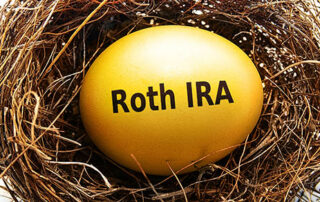
Self-Employed? Don’t Overlook a Roth IRA
Some small business owners overlook Roth IRAs because they assume their income is too high for them to qualify to make Roth contributions. Others may think their current tax rate is higher than it will be in retirement, making current tax deductions more valuable than future tax-free distributions. However, if

Consider Your Potential Charitable Deduction Before Donating Artwork
If you give artwork to charity, the deduction you can claim depends on several factors, including the type of organization receiving the piece and how it will be used. Special substantiation and appraisal rules may apply as well. Relation to Charitable Function Your deduction for a donation of art will

Add Flexibility to Your Estate Plan With Powers of Appointment
Powers of appointment allow a trusted individual (the “holder”) to adjust how assets are distributed after your death, based on changing circumstances. These might include marriages, births, financial needs, tax laws, or evolving family dynamics. By incorporating powers of appointment into your trusts and other planning strategies, you can create

What’s A “Small Business,” And Why Does It Matter?
Although your business may seem big to you, you may wonder how the government classifies it for tax purposes. If your organization qualifies as a “small business,” you may enjoy several important tax advantages. But the rules for specific tax provisions vary. So, depending on your size, you might be

Long-Term Care Insurance Can Offer Peace of Mind and Help Preserve Your Wealth
One of the greatest risks to your estate plan is the chance of incurring substantial long-term care (LTC) costs. These costs, for services such as nursing home stays or home health aides, can quickly erode the savings you want to pass on to your family after your death. One solution

Tax Identity Theft: Businesses Are at Risk, Too
Tax identity theft isn’t limited to individual taxpayers — businesses are also targeted through their Employer Identification Numbers (EINs), payroll systems, and tax filings. The financial impact of these crimes can be significant. Businesses may face delayed or stolen tax refunds, unauthorized payroll filings, and the time and expense of

Moving to a New State? Review The Tax Implications First
Whether you’re relocating for work, retirement, family, or lifestyle reasons, state taxes can have a significant financial impact. Taxes vary widely from state to state. And establishing residency for tax purposes may be more complicated than you expect. Before moving, be sure you understand how changing states could affect your